
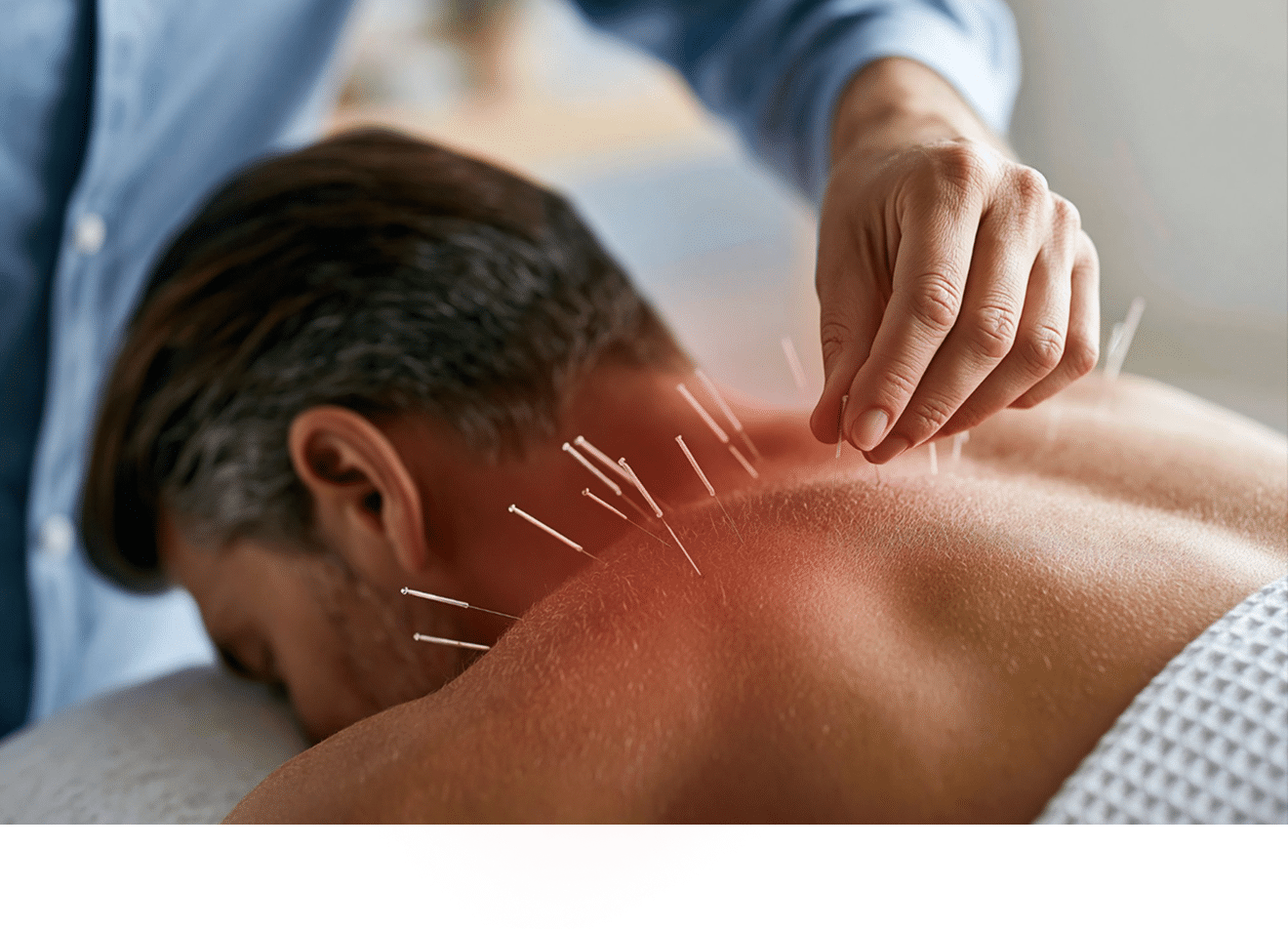

Pain is the body’s alarm system. Sometimes it is short-lived, like a pulled muscle. Sometimes it lingers for months, turning simple routines such as climbing stairs, sitting at a desk or sleeping through the night into daily negotiations.
Today there are many pain treatments to choose from, and painkillers often bring only temporary relief. That is why more people are exploring natural pain relief that works with the body instead of masking the signal. Two of the most popular options are acupuncture and physiotherapy. Both are drug-free, and both are widely used. But how do you decide?
What Is Acupuncture and Physiotherapy?
Acupuncture is a key part of Traditional Chinese Medicine, with a history of about 5,000 years. Very fine needles are inserted at specific points on the body. Traditional theory says these points lie along meridians, channels through which vital energy, or Qi, flows. When that flow is blocked or unbalanced, illness can follow. From a modern perspective, the needles are thought to stimulate nerves and prompt the brain to release endorphins, the body’s natural painkillers.
Physiotherapy treats injuries, disease and physical limitations using physical methods such as massage, electrotherapy, heat and targeted exercise, without drugs or surgery. After a proper assessment, the physiotherapist works on the specific cause of your pain, with the goal of restoring mobility and preventing recurrence.
Acupuncture vs Physiotherapy
| Parameters | Acupuncture | Physiotherapy |
| Approach | Restores energy balance; stimulates natural pain relief | Treats the mechanical cause: muscles, joints, nerves |
| Methods | Fine needles at specific points | Manual therapy, electrotherapy, exercise |
| Often suits | Chronic or recurring pain, headaches, stress-linked pain | Injuries, stiffness, weakness, post-injury recovery |
| Your role | Largely passive during sessions | Active; home exercises are part of recovery |
Benefits of Acupuncture and Physiotherapy for Pain Relief
Both offer drug-free natural pain relief, but in different ways.
Acupuncture may help by:
- Easing back pain, neck pain, sciatica, arthritis, headaches and migraine
- Calming the nervous system, which helps when stress or poor sleep amplifies pain
- Supporting overall wellbeing, not just the painful area
Physiotherapy may help by:
- Reducing pain and inflammation using advanced equipment such as laser, shock wave and electrotherapy
- Strengthening weak muscles and improving posture and mobility
- Teaching you exercises that prevent the pain from returning
Which Treatment Is Right for You?
There is no universal answer, but some pointers help.
Physiotherapy often comes first if your pain began with an injury, a sprain, or a period of inactivity. It is also a natural fit if you feel stiff, weak, or unsteady, or if you’re recovering from an episode of pain and want to rebuild strength.
Acupuncture may appeal if your pain is long-standing, migrates around the body, or flares with stress and poor sleep. It is also worth considering if exercise feels too painful to start with. For people exploring natural pain control, this combination of approaches can offer different ways to manage pain based on its underlying cause and individual needs.
Often, the most honest answer is that your pain has more than one layer, and more than one treatment helps.
Can Acupuncture and Physiotherapy Be Combined?
Yes, and often usefully so. Acupuncture can reduce pain and muscle tension, which may make physiotherapy exercises easier. Physiotherapy then addresses strength, posture and movement patterns, which helps the relief last. In practice, one treatment can open the door for the other.
Factors to Consider Before Choosing a Treatment
- Cause and time: Is the pain something new, or has it been long-standing? Did it come from a specific injury, or is the cause unclear?
- Diagnosis: Ensure proper diagnosis first. Sudden, painful symptoms that affect your physical condition should be assessed medically.
- Comfort: While some find needles uncomfortable, others prefer avoiding intense workouts.
- Purpose: Are you looking for immediate pain relief, long-term recovery or both?
- Medical history: Inform the doctor about your conditions and medications.
- Dedication: You should practice your physical therapy at home on a regular basis, whereas acupuncture usually requires a minimum of several treatments.
Conclusion
Choosing between these two pain treatments can feel like picking a side, but with the right care you may not need to.
At Jindal Naturecure Institute, acupuncture and physiotherapy are available on the same campus. After a thorough examination, our doctors, acupuncturists, and physiotherapists can recommend one therapy or a combination, along with naturopathy, yoga, and diet guidance. Our physiotherapists also teach you how to maintain relief after you leave, which helps natural pain relief last.
If you are searching for acupuncture treatment in Bangalore, the best physiotherapy centre in Bangalore, or a nature cure hospital in Bangalore that brings these together, JNI is here to help you find what works for you.
Struggling with pain? Book a consultation with JNI and get a plan built around you.