
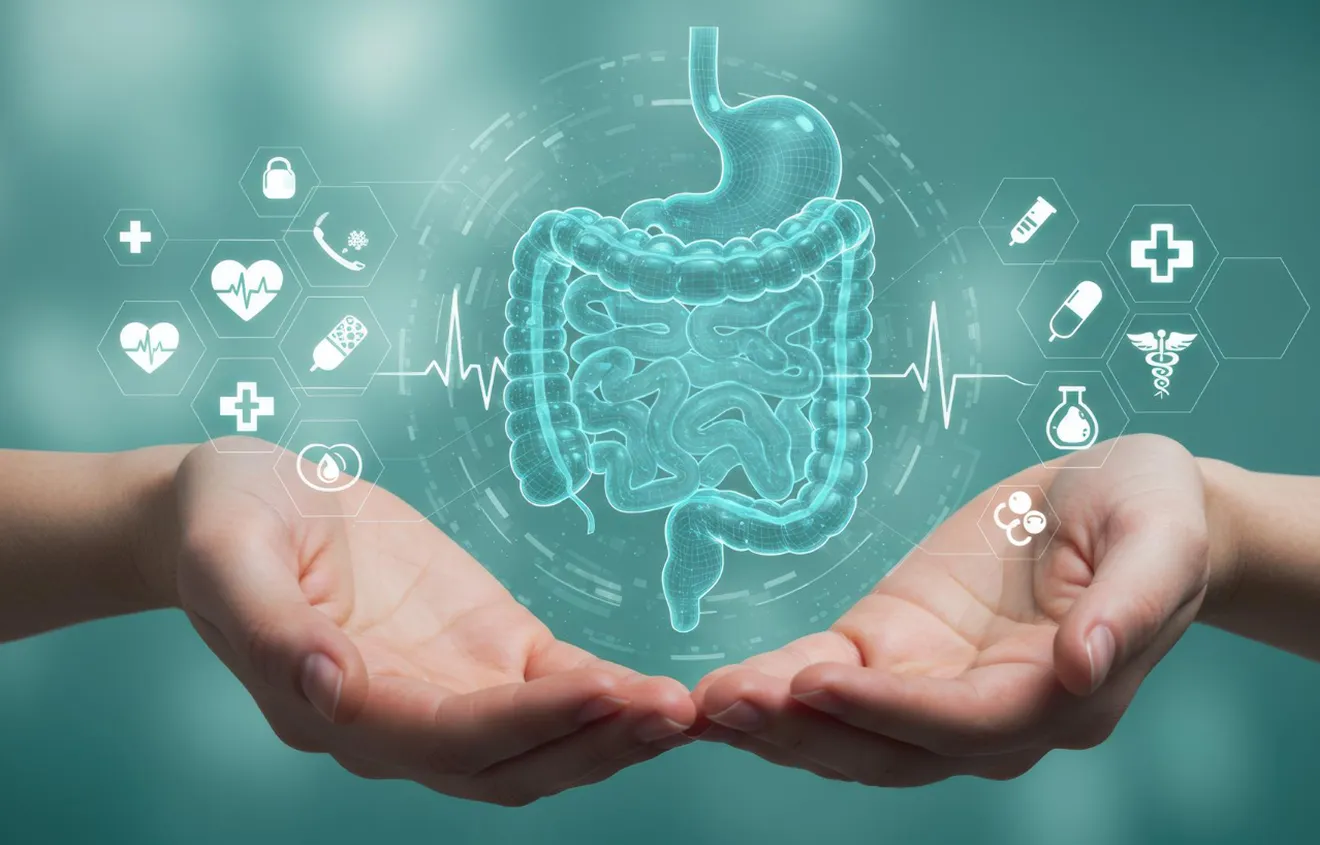

Your gut and your brain are physically linked by a dense network of nerves, and signals travel both ways between them, all day, every day. This means digestion can shape mood, and mood can shape digestion. That two-way link, known as the gut-brain connection, is changing how people think about emotional balance: not as something separate from physical health, but as something ingrained, in part, in the gut itself.
What Is the Gut-Brain Connection?
Tucked into the walls of your digestive tract is a vast network of nerve cells, sometimes called the body’s second brain. It doesn’t think in words, but it sends and receives signals. A large share of the body’s serotonin, the chemical messenger linked to mood and calm, is produced in the gut rather than the brain. When digestion runs smoothly, this signalling tends to support a steadier emotional state. When the gut is irritated or out of balance, those signals may contribute to restlessness, low mood or anxious thinking.
How Does Diet Affect Gut Health and Mood?
Food is not just a source of fuel but also a haven for gut bacteria to thrive and improve your gut health. When you have healthy gut bacteria, you are emotionally balanced. Here is a list of some foods that support gut health and improve mood:
- Probiotics such as kefir, yoghurt, sauerkraut, kimchi, and miso
- Complex carbohydrates such as quinoa and brown rice, combined with green leafy vegetables such as spinach, kale, and cilantro.
- Prebiotics such as oats, bananas, onions, garlic, leeks, asparagus, and legumes
- Omega-3 fatty acids
Heavily processed food, excess sugar and erratic eating patterns may disturb that balance and leave the gut more reactive. That is partly why diet therapy is gaining attention as a way to approach emotional well-being.
How Does Stress Affect Both Gut Health and Emotional Balance?
You may not even be aware of the fact that you are under stress. That’s because it manifests as physical conditions that many attribute to health issues. The truth is, a tense mind often shows up as a tight stomach, loss of appetite, or digestive discomfort because the nervous system that runs your gut is closely linked to the one that processes emotion.
Left unmanaged, the cycle feeds on itself: a stressed gut adds to a stressed mind. Restful sleep allows the gut and its bacteria to recover, while regular movement, even a daily walk, may ease the nervous system enough to support a calm demeanour.
For many people, stepping away from routine, even briefly, makes these habits easier to adopt. Some choose to work with professionals to get relief, and one such esteemed, reliable institution is the Jindal Naturecure Institute. It is a naturopathy wellness retreat in Bangalore that incorporates dietary therapy and exercise-based practices, providing a routine that schedules meals, rest, and gentle activity. They also have one of the best yoga centres in Bangalore, where, in addition to regular activities, practising certain comfortable yogic postures can further support breathing and movement. Yoga is known to help calm the nervous system, which is closely linked to gut and mood.
What Habits Support Gut Health and Emotional Balance?
None of this calls for an overnight transformation. Often, it’s the small, repeated choices that help restore a sense of equilibrium between gut and mind. JNI suggests the following measures to have a healthy gut and better emotional regulation:
- Eat mindfully, preferably raw, farm-to-table foods. Uncooked foods tend to be nutrition-rich.
- Be conscious of every morsel of the food you consume.
- Mastication, i.e., chewing food deliberately and slowly, helps with easier digestion and better gut health.
- Choose whole, seasonal foods over processed, packaged ones.
- Use the institute’s green corridor to spend time outdoors and away from screens.
- Practice yoga and pranayama regularly to stimulate the internal organs and facilitate digestion.
- Give the body enough rest to recover each night.
In a way, how you look after your gut health is also an indication of how emotionally well you are. Gut-mind science is still nascent, but the underlying idea is a comforting one: small, consistent care for your digestion may, over time, support a calm, steady emotional life.