

Your phone buzzes before you’ve finished your morning tea. A quick glance at social media turns into twenty minutes of scrolling. Throughout the day, notifications, emails, videos, messages, and endless digital distractions compete for your attention. By evening, you may feel mentally exhausted despite not having done physically demanding work.
This experience has become increasingly common in today’s hyperconnected world. Many people describe feeling constantly stimulated yet struggling to focus, relax, or enjoy simple activities. While stress, sleep deprivation, and busy schedules all play a role, our brains are also adapting to an environment filled with continuous rewards and distractions.
This growing concern has brought attention to the concept of dopamine fasting. It is a practice often misunderstood as eliminating dopamine from the brain. In reality, the goal is not to reduce dopamine but to reduce excessive stimulation so that everyday experiences can once again feel meaningful and rewarding.
At Jindal Naturecure Institute (JNI), this idea closely aligns with the philosophy of restoring balance through lifestyle regulation, natural therapies, mindful movement, and evidence-informed naturopathic care.
Understanding Dopamine and the Brain’s Reward System
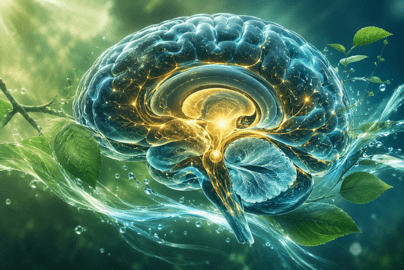
Dopamine is often called the brain’s “pleasure chemical,” but neuroscience tells a more interesting story. It primarily influences motivation, anticipation, learning, and goal-directed behaviour. Rather than creating pleasure itself, it encourages us to seek rewarding experiences and repeat behaviours that support survival and well-being.
It plays an important role in:
- Motivation and productivity
- Attention and concentration
- Learning and memory
- Habit formation
- Emotional regulation
- Decision-making
Research suggests dopamine becomes particularly active when the brain expects a reward or encounters something new and exciting. This helps explain why checking notifications, refreshing social media feeds, or reaching for another snack can quickly become automatic habits.
In healthy circumstances, this system keeps us curious, engaged, and productive. The challenge begins when the brain is exposed to constant high-intensity stimulation without sufficient periods of rest and recovery.
Why Constant Stimulation Can Feel Draining
Modern life offers endless opportunities for instant rewards:
- Social media scrolling
- Streaming entertainment
- Gaming
- Constant notifications
- Multitasking
- Highly processed foods
Over time, frequent exposure to these highly stimulating activities can encourage the brain to continuously seek novelty. As a result, quieter everyday experiences may begin to feel less satisfied by comparison.
Some people may notice:
- Difficulty focusing on routine tasks
- Restlessness during quiet moments
- Reduced enjoyment from simple activities
- Increased dependence on digital stimulation
- Difficulty relaxing before sleep
- Feeling mentally busy even during periods of rest
This does not necessarily indicate a dopamine deficiency. Instead, it may reflect an imbalance between stimulation and recovery.
What Is Dopamine Fasting?
Despite its name, dopamine fasting does not involve removing dopamine from the body. That would neither be possible nor healthy, as dopamine is essential for movement, mood, learning, and motivation. Instead, dopamine fasting refers to intentionally reducing exposure to behaviours that provide frequent, high-intensity rewards. The aim is to create space for healthier habits and improve awareness of automatic reward-seeking behaviours.
Examples include temporarily reducing:
- Excessive smartphone use
- Social media consumption
- Continuous television streaming
- Constant snacking
- Unnecessary multitasking
- Background digital stimulation
The objective is not deprivation but intentionality. By reducing distractions, many individuals find it easier to reconnect with activities that support long-term well-being rather than short-term stimulation.
The Connection Between Digital Overload and Mental Well-Being
Many people rarely experience genuine periods of mental quiet. Moments like waiting in a queue, travelling, walking outdoors, or enjoying a cup of tea, which once allowed the mind to rest, are now increasingly filled with screens and notifications.
While technology provides undeniable benefits, uninterrupted stimulation may make it more difficult for the brain to shift into restorative states. Research on behavioural reinforcement and stress regulation suggests that reducing environmental stimulation may support emotional balance, improve attention, and encourage activation of the parasympathetic nervous system, which is the body’s natural “rest and restore” mode.
This is why successful digital detox programmes involve more than simply putting devices away. Lasting change often requires healthier routines, quality sleep, physical activity, mindful practices, and meaningful human connection.
Creating a Natural Dopamine Reset

A natural dopamine reset is not achieved through a single treatment or a weekend without screens. Instead, it comes from changing the conditions that shape daily behaviour.
Helpful lifestyle practices include:
- Maintaining consistent daily routines
- Eating balanced and nutritious meals
- Reducing unnecessary screen exposure
- Spending time outdoors
- Engaging in regular physical activity
- Practising mindfulness and reflection
- Following a healthy sleep schedule
Individually, these habits may seem simple. Together, they create an environment that supports emotional resilience, better concentration, and improved mental well-being.
How JNI Supports Mental Wellness Naturally
At Jindal Naturecure Institute, mental wellness is approached through an integrative model that recognises the connection between lifestyle, stress, physical health, and emotional balance. Rather than focusing only on symptoms, the goal is to create conditions that allow the mind and body to recover naturally.
Hydrotherapy for Relaxation
Hydrotherapy uses water at different temperatures and pressures to encourage circulation, muscle relaxation, and nervous system balance. Therapies such as immersion baths, spinal baths, jacuzzi therapy, and jet hydro treatments may help reduce physical tension and promote relaxation, supporting the body’s recovery processes.
Relaxation Therapies
Stress often appears physically as headaches, muscle tightness, shallow breathing, and fatigue. Therapies such as oil therapy, hot stone therapy, rejuvenation therapy, and deep tissue therapy help relieve physical discomfort while encouraging mental calmness and emotional relaxation.
Yoga and Mindfulness
Yoga combines movement, breathing, and awareness to improve resilience and emotional regulation. Regular practice has been associated with improved sleep, reduced stress, enhanced concentration, and better overall well-being. Breathing exercises, meditation, and guided relaxation may also help individuals become more comfortable with periods of stillness rather than constantly seeking stimulation.
Ayurvedic Therapies
Traditional therapies such as Shirodhara and Shirolepa have long been used to encourage relaxation and mental calmness. When integrated thoughtfully within a broader wellness programme, these therapies can contribute to an overall sense of restoration and balance.
Who May Benefit from a Structured Dopamine Reset?

A lifestyle programme focused on reducing overstimulation may be beneficial for individuals who experience:
- Difficulty concentrating during work or study
- Excessive reliance on phones or digital devices
- Mental fatigue despite adequate sleep
- Persistent stress or emotional exhaustion
- Difficulty relaxing at the end of the day
- Reduced motivation for everyday activities
- Mild stress-related sleep disturbances
However, persistent attention difficulties, severe mood changes, or ongoing sleep problems should always be assessed by a qualified healthcare professional. Integrative therapies work best as part of a comprehensive approach to health rather than as a replacement for medical care.
Conclusion
Our brains were never designed to process a constant stream of notifications, entertainment, and competing demands without pause. Rest is not a luxury; it is an essential part of maintaining focus, emotional balance, and overall brain health.
The growing interest in dopamine fasting reflects a broader shift toward living more intentionally. It is less about avoiding pleasure and more about creating space for meaningful experiences to regain their value.
At Jindal Naturecure Institute, this philosophy is supported through evidence-informed naturopathic care that combines lifestyle regulation, therapeutic treatments, movement, and mindful living. By reducing overstimulation and restoring healthier rhythms, individuals may find it easier to improve focus, strengthen emotional resilience, and reconnect with lasting well-being.