
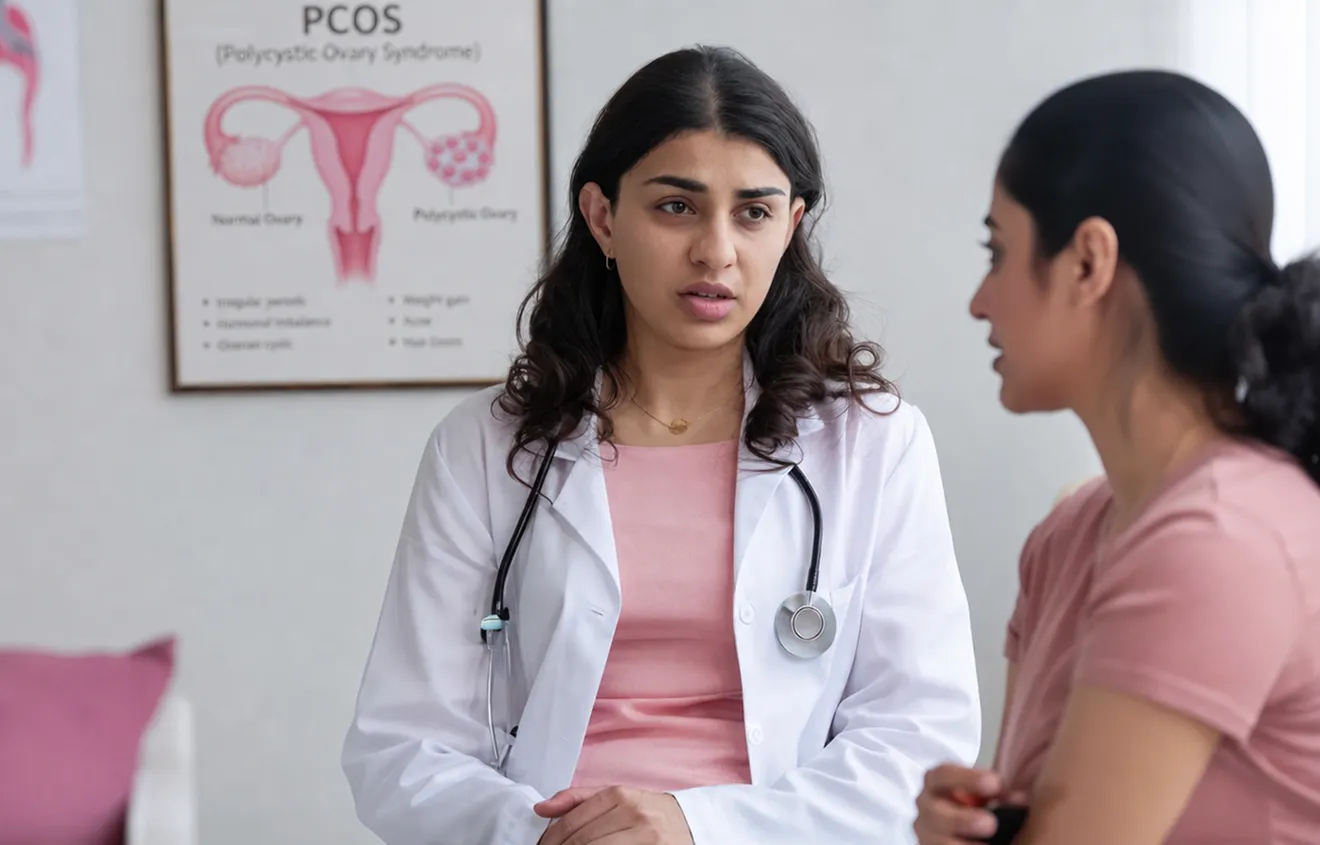
Women seek naturopathic care for PCOS for a variety of reasons. Some are newly diagnosed. Some have been living with the condition for years; what most share is an interest in understanding it more holistically and in taking a longer-term approach to managing it.
PCOS is a chronic hormonal disorder. The ovaries produce excess androgens, the ovulation cycle gets disrupted, and small cysts form over time. But the condition does not begin and end there. For a significant number of women, it is accompanied by insulin dysregulation, systemic inflammation, nutritional deficiencies, infertility, and the physiological effects of prolonged stress.
It affects 10-13% of women during their fertility period. WHO studies also indicate that PCOS may extend well beyond the menstruating timeframe, into later stages of life.
It remains widely underdiagnosed, with many women attributing its symptoms to stress or lifestyle factors.
Medicine has long evolved, but the fact remains the same: PCOS persists because the treatment protocols are designed to treat only the symptoms and not the underlying causes.
There is currently no singular treatment for PCOS. Still, with a naturopathic, lifestyle-based approach, the root causes may be identified and addressed, potentially improving fertility outcomes and supporting long-term health.
PCOS Treatment at Jindal Naturecure Institute (JNI)
Jindal Naturecure Institute (JNI) brings together decades of clinically informed naturopathic methods to support PCOS care. The approach aims to identify and address the underlying causes of hormonal imbalance through evidence-based, non-invasive therapies.
Each patient receives an individualised care plan following a thorough clinical assessment. It covers menstrual history, hormonal panel, metabolic markers, dietary patterns, stress levels, and sleep quality. No two treatment plans are identical, because no two presentations of PCOS are identical. The assessment determines where to begin, and from there, the treatment caters to each person’s specific needs, combining naturopathy, yoga, diet, acupuncture, and physiotherapy in proportions that make sense for that individual.
Understanding the Full Spectrum of Symptoms
No two women experience PCOS in quite the same way. Symptoms vary widely and may evolve, which is why the condition is often overlooked or underestimated.
Commonly observed symptoms include:
- Infrequent, light, or heavy periods, sometimes prolonged for weeks and accompanied by severe abdominal pain.
- Hirsutism, a common side effect of PCOS, often results in excess body hair, especially around the chest, back, and stomach.
- Unprecedented weight gain around the belly region.
- Acne and oily skin.
- Hair thinning and a receding hairline resembling male-pattern baldness.
- Inability to conceive.
- Dark skin patches around the armpits, neck, and under the breasts.
Some may predominantly experience reproductive effects. Others may have metabolic symptoms. Many experience both. What is less frequently discussed, however, is the psychological toll it takes on them: anxiety, low mood, negative body image, and eating disorders.
Because the condition is non-deterministic, a personalised naturopathic assessment may be valuable in determining appropriate PCOS care.
What Naturopathy Can Offer for PCOS?
Natural PCOS therapy takes a 360-degree view. The body has an inherent capacity to work toward balance when given the right nutritional, physical, and emotional environment. Instead of targeting individual symptoms, naturopathy considers the whole person and their overall health, and works to support conditions that may allow the body to begin restoring itself.
Choosing natural treatment for PCOS means:
- No dependency on long-term hormonal therapies and drugs
- Ensuring 7-9 hours of quality sleep to improve hormone regulation
- Improved metabolic health over time
- Support for fertility outcomes
- Sustainable lifestyle changes that benefit overall well-being
- Safe, personalised, and guided treatment by trained specialists
- A preventive approach to long-term hormonal health
- Corrective support through natural healing
Nutrition and Metabolic Support
Of all the factors that influence PCOS, diet is among the most immediate. Women with PCOS may experience a 35% to 40% of decreased insulin sensitivity, which means blood glucose regulation is a clinical necessity. What is eaten, when it is eaten, and in what proportion directly affects androgen levels, ovarian function, and the degree of inflammation the body carries. The nutritional protocol focuses on the following components:
- Anti-inflammatory, low GI foods to help reduce insulin spikes and maintain androgen levels.
- Plant-based vegan diets that are high in fibre, antioxidants, and phytoestrogens to promote estrogen balance.
- Natural detoxification through the consumption of cruciferous vegetables, flaxseeds, and bitter gourd, to support liver health.
- Complete restraint from refined carbohydrates, processed sugars, and trans fats, which may aggravate insulin resistance.
- Implementation of personalised meal timing and portion guidance to aid metabolic restoration and a healthy body weight.
Role of Detoxifying Foods and Natural Supplements
Certain foods play a direct role in supporting the body’s natural ability to process and clear excess hormones. At JNI, the diet includes detoxifying foods such as cruciferous vegetables, fresh herbs and spices, flaxseeds, and turmeric, alongside fresh, organic whole foods. Fresh fruit juices, uncooked vegetables, herbal teas, and bitter gourd can support the liver’s clearance pathways and may help regulate hormones.
Weight Management Through Therapeutic Diet
Gradual, sustainable weight management can be a meaningful part of PCOS care. Even a modest reduction in body weight may lower androgen levels, improve ovulation, reduce acne and hirsutism, and improve fertility outcomes. Rather than restrictive dieting, the focus is on correcting insulin resistance, reducing chronic inflammation, and optimising nutrient balance, allowing the body to move toward a healthier weight over time.
Therapeutic and Mind-Body Treatments
Yoga Therapy
Jindal Naturecure Institute (JNI) integrates specific yoga and pranayama practices into each patient’s treatment plan from the outset. Regular yoga practice may help improve insulin sensitivity, reduce cortisol levels, and support more regular menstrual cycles in women with PCOS.
JNI’s qualified yoga teachers select asanas and postures based on their potential effects on the endocrine and reproductive systems, adapting each session to the patient’s fitness level, energy, and clinical presentation.
A typical day may include:
Surya Namaskar (Sun Salutation)
Individual asanas – 30 to 40 minutes
- Trikonasana (Triangle Pose)
- Parsva-Konasana (Extended Side Angle Pose)
- Prasarita Padottanasana (Wide-Legged Standing Forward Bend Pose)
- Ushtrasana (Camel Pose)
- Paschimottanasana (Sitting Forward Stretch)
- Titaliasana (Butterfly Pose)
- Supta Baddha-Konasana (Reclining Butterfly Pose)
- Chakki Chalanasaa (Grinding the Mill Pose)
- Malasana (Garland Pose)
- Bhujangasana (Cobra Pose)
- Shalabhasana (Locust Pose)
- Dhanurasana (Bow Pose)
- Sarvangasana (Shoulder Stand Pose)
- Halasana (Plough Pose)
Breathing techniques (each for 2 minutes)
- Kapalbhati (Forceful Exhalation)
- Nadi Shodhan (Alternate Nostril Breathing)
- Bahya Pranayama (External Breath Control)
- Bhramari Pranayama
Guided meditation – 10 minutes
- Yoga Nidra
Hydrotherapy and Naturopathic Procedures
Hydrotherapy treatments can support circulation, lymphatic drainage, and hormonal detoxification. Procedures may include hip baths, wet packs, steam therapy, and mud therapy, all tailored to individual needs by experienced naturopaths.
Detox and Cleansing Therapy
Toxin accumulation and lagging liver function are key contributors to hormonal imbalance in PCOS. JNI’s medically supervised detox treatments support the body’s natural elimination pathways through therapeutic fasting, herbal support, and hydrotherapy, which may help reduce systemic inflammation and gradually restore the hypothalamic-pituitary-ovarian (HPO) axis.
Stress Management and Psychological Support
Chronic stress elevates cortisol and can disrupt the HPG axis, which regulates hormonal communication between the brain and ovaries. Research increasingly points to stress as a contributing factor in the onset and persistence of PCOS. At JNI, the treatment incorporates meditation, relaxation therapies, and counselling to address the psychological dimension of PCOS.
Why Jindal Naturecure Institute for Natural PCOS Therapy?
Jindal Naturecure Institute has been a pioneer in integrative naturopathy in India for over four decades. Located in Bengaluru, the institute provides a comprehensive, medically supervised residential setting where patients benefit from the joint expertise of naturopaths, yoga therapists, nutritionists, and wellness counsellors.
- Four decades of PCOS care: JNI has helped patients manage complex hormonal conditions, including PCOS, since 1978. Over time, the institute has refined its naturopathic treatments to address the full range of PCOS presentations, from insulin resistance and weight gain to menstrual irregularity and fertility concerns.
- Residential treatment plans: Chronic stress is a known contributor to PCOS. A fully residential stay removes the daily stressors, irregular routines, and dietary habits that often perpetuate hormonal imbalance, giving the body the required time to respond to treatment.
- Assessment-led, individualised PCOS treatment: Depending on the individual’s PCOS presentation, Jindal Naturecure Institute conducts a thorough clinical assessment that includes hormonal panels, metabolic markers, menstrual history, and lifestyle factors. Treatment plans are developed based on the assessment findings and the body’s natural response.
- Drug-free protocols targeting root causes: Instead of managing symptoms through hormonal therapy or medication, JNI works to correct the underlying metabolic and lifestyle factors that cause PCOS, including insulin resistance, chronic inflammation, and nutritional deficiencies.
- Serene campus environment: JNI’s green campus is itself part of the therapy. Natural surroundings help lower cortisol levels and ease the stress response, both of which play a direct role in managing PCOS.
JNI offers a trusted, holistic, and dependable alternative for women seeking natural PCOS treatment. With expert guidance, structured therapies, and a supportive community environment, treatment aims to support the body’s natural healing processes.
Women seek naturopathic care for PCOS for a variety of reasons. Some are newly diagnosed. Some have been living with the condition for years; what most share is an interest in understanding it more holistically, and in taking a longer-term approach to managing it.
PCOS is a chronic hormonal disorder. The ovaries produce excess androgens, the ovulation cycle gets disrupted, and small cysts form over time. But the condition does not begin and end there. For a significant number of women, it is accompanied by insulin dysregulation, systemic inflammation, nutritional deficiencies, infertility, and the physiological effects of prolonged stress.
It affects 10-13% of women during their fertility period. WHO studies also indicate that PCOS may extend well beyond the menstruating timeframe, into later stages of life.
It remains widely underdiagnosed, with many women attributing its symptoms to stress or lifestyle factors.
Medicine has long evolved, but the fact remains the same: PCOS persists because the treatment protocols are designed to treat only the symptoms and not the underlying causes.
There is currently no singular treatment for PCOS. Still, with a naturopathic, lifestyle-based approach, the root causes may be identified and addressed, potentially improving fertility outcomes and supporting long-term health.
Understanding the Full Spectrum of Symptoms
No two women experience PCOS in quite the same way. Symptoms vary widely and may evolve, which is why the condition is often overlooked or underestimated.
Commonly observed symptoms include:
- Infrequent, light, or heavy periods, sometimes prolonged for weeks, and with severe abdominal pain.
- Hirsutism, a common side effect of PCOS, often results in excess body hair, especially around the chest, back, and stomach.
- Unprecedented weight gain around the belly region.
- Acne and oily skin.
- Receding hairline, sometimes prognosed as male pattern baldness.
- Inability to conceive.
- Dark skin patches around the armpits, neck, and under the breasts.
Some may predominantly experience reproductive effects. Others may have metabolic symptoms. Many experience both. What is less frequently discussed, however, is the psychological toll it takes on them – anxiety, low mood, negative body image, and eating disorders.
Because the condition is non-deterministic, a personalised naturopathic assessment may be valuable in determining appropriate PCOS care.
What Naturopathy Can Offer for PCOS
Natural PCOS therapy takes a 360-degree view. The body has an inherent capacity to work toward balance when given the right nutritional, physical, and emotional environment. Instead of targeting individual symptoms, naturopathy considers the whole person and their overall health, and works to support conditions that may allow the body to begin restoring itself.
Choosing natural treatment for PCOS means:
- No dependency on long-term hormonal therapies and drugs
- Ensuring 7-9 hours of quality sleep to improve hormone regulation
- Improved metabolic health over time
- Support for fertility outcomes
- Sustainable lifestyle changes that benefit overall well-being
- Safe, personalised, and guided treatment by trained specialists
- A preventive approach to long-term hormonal health
- Corrective support through natural healing
PCOS Treatment at Jindal Naturecure Institute
Jindal Naturecure Institute brings together decades of clinically informed naturopathic methods to support PCOS care. The approach aims to identify and address the underlying causes of hormonal imbalance through evidence-based, non-invasive therapies.
Each patient receives an individualised care plan following a thorough clinical assessment. It covers menstrual history, hormonal panel, metabolic markers, dietary patterns, stress levels, and sleep quality. No two treatment plans are identical, because no two presentations of PCOS are identical. The assessment determines where to begin, and from there, the treatment caters to each person’s specific needs, combining naturopathy, yoga, diet, acupuncture, and physiotherapy in proportions that make sense for that individual.
Nutrition and Metabolic Support
Food as a Clinical Tool
Of all the factors that influence PCOS, diet is among the most immediate. Women with PCOS have 35% to 40% of decreased insulin sensitivity, which means blood glucose regulation is a clinical necessity. What is eaten, when it is eaten, and in what proportion directly affects androgen levels, ovarian function, and the degree of inflammation the body carries. The nutritional protocol focuses on the following components:
- Anti-inflammatory, low GI foods to help reduce insulin spikes and maintain androgen levels.
- Plant-based vegan diets that are high in fibre, antioxidants, and phytoestrogens to promote estrogen balance.
- Natural detoxification through the consumption of cruciferous vegetables, flaxseeds, and bitter gourd, to support liver health.
- Complete restraint from refined carbohydrates, processed sugars, and trans fats, which may aggravate insulin resistance.
- Implementation of personalised meal timing and portion guidance to aid metabolic restoration and a healthy body weight.
Role of Detoxifying Foods and Natural Supplements
Certain foods play a direct role in supporting the body’s natural ability to process and clear excess hormones. At JNI, the diet includes detoxifying foods such as cruciferous vegetables, fresh herbs and spices, flaxseeds, and turmeric, alongside organic whole foods as fresh and natural as possible. Fresh fruit juices, uncooked vegetables, herbal teas, and bitter gourd can support the liver’s clearance pathways and may help regulate hormones.
Weight Management Through Therapeutic Diet
Gradual, sustainable weight management can be a meaningful part of PCOS care. Even a modest reduction in body weight may lower androgen levels, improve ovulation, reduce acne and hirsutism, and increase the chances of conception. Rather than restrictive dieting, the focus is on correcting insulin resistance, reducing chronic inflammation, and optimising nutrient balance, allowing the body to move toward a healthier weight over time.
Therapeutic and Mind-Body Treatments
Yoga Therapy
JNI integrates specific yoga and pranayama practices into each patient’s treatment right from the beginning. Regular yoga practice may help improve insulin sensitivity, reduce cortisol levels, and support more regular menstrual cycles in women with PCOS.
JNI’s qualified yoga teachers select asanas and postures based on their potential effects on the endocrine and reproductive systems, adapting each session to the patient’s fitness level, energy, and clinical presentation.
A typical day may include:
Surya Namaskar (Sun Salutation)
Individual asanas – 30 to 40 minutes
- Trikonasana (Triangle Pose)
- Parsva-Konasana (Extended Side Angle Pose)
- Prasarita Padottanasana (Wide-Legged Standing Forward Bend Pose)
- Ushtrasana (Camel Pose)
- Paschimottanasana (Sitting Forward Stretch)
- Titaliasana (Butterfly Pose)
- Supta Baddha-Konasana (Reclining Butterfly Pose)
- Chakki Chalanasaa (Grinding the Mill Pose)
- Malasana (Garland Pose)
- Bhujangasana (Cobra Pose)
- Shalabhasana (Locust Pose)
- Dhanurasana (Bow Pose)
- Sarvangasana (Shoulder Stand Pose)
- Halasana (Plough Pose)
Breathing techniques (each for 2 minutes)
- Kapalbhati (Forceful Exhalation)
- Nadi Shodhan (Alternate Nostril Breathing)
- Bahya Pranayama (External Breath Control)
- Bhramari Pranayama
Guided meditation – 10 minutes
- Yoga Nidra
Hydrotherapy and Naturopathic Procedures
Hydrotherapy treatments can support circulation, lymphatic drainage, and hormonal detoxification. Procedures may include hip baths, wet packs, steam therapy, and mud therapy, all calibrated to individual needs by experienced naturopaths.
Detox and Cleansing Therapy
Toxin accumulation and lagging liver function are key contributors to hormonal imbalance in PCOS. JNI’s medically supervised detox treatments support the body’s natural elimination pathways through therapeutic fasting, herbal support, and hydrotherapy, which may help reduce systemic inflammation and gradually restore the hypothalamic-pituitary-ovarian (HPO) axis.
Stress Management and Psychological Support
Chronic stress elevates cortisol and can disrupt the HPG axis, which regulates hormonal communication between the brain and ovaries. Research increasingly points to stress as a contributing factor in the onset and persistence of PCOS. At JNI, the treatment incorporates meditation, relaxation therapies, and counselling to address the psychological dimension of PCOS.
Why Jindal Naturecure Institute for Natural PCOS Therapy?
Jindal Naturecure Institute has been a pioneer in integrative naturopathy in India for over four decades. Located in Bangalore, the institute provides a comprehensive, medically supervised residential setting where patients benefit from the joint expertise of naturopaths, yoga therapists, nutritionists, and wellness counsellors.
- 45+ years of clinical naturopathy experience
- Fully residential treatment for immersive, distraction-free healing
- Individualised care plans are developed after a thorough clinical assessment.
- Evidence-based, drug-free approach to hormonal health
- Focused approach to addressing lifestyle diseases at the root
- Serene campus environment, supporting rest and recovery.
JNI offers a trusted, holistic, and dependable alternative for women seeking natural PCOS treatment. With expert guidance, planned therapies, and a supportive community environment, the treatment aims to restore your body’s innate processes.